RADEE8 – Create, Innovate, Radiate

Menu
US Tariffs: A Thorny Path for Indian Startups
The imposition of tariffs by the United States has sent ripples across global trade, and Indian startup businesses, particularly those with significant exposure to the American market, are navigating a complex and often challenging landscape. While the precise impact varies by sector and business model, several key themes emerge:
Increased Costs and Reduced Competitiveness
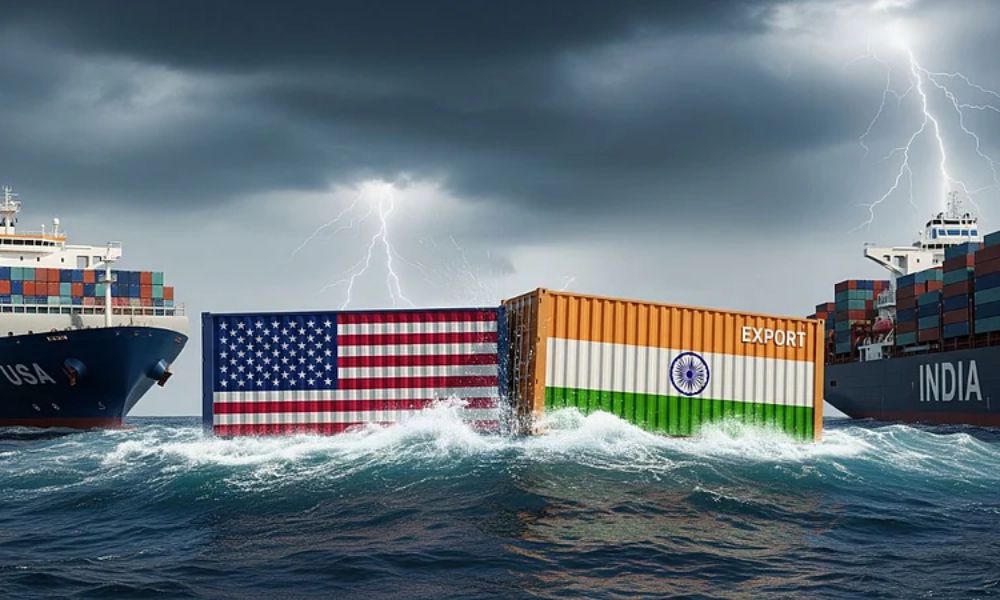
One of the most immediate and direct consequences of US tariffs is the increased cost of Indian exports. For startups operating on tight margins, a 10% or even 26% tariff (as seen in recent announcements, with some temporary pauses and subsequent increases) can significantly erode their price advantage in the US market. This forces them to either absorb the costs, sacrificing profitability, or pass them on to consumers, making their products less competitive against domestic US goods or products from countries not subject to similar tariffs
Sectors heavily reliant on exports to the US are feeling the brunt. This includes:One of the most immediate and direct consequences of US tariffs is the increased cost of Indian exports. For startups operating on tight margins, a 10% or even 26% tariff (as seen in recent announcements, with some temporary pauses and subsequent increases) can significantly erode their price advantage in the US market. This forces them to either absorb the costs, sacrificing profitability, or pass them on to consumers, making their products less competitive against domestic US goods or products from countries not subject to similar tariffs
Sectors heavily reliant on exports to the US are feeling the brunt. This includes:
- Traditional Manufacturing:
- Industries like steel, aluminum, textiles, and certain engineering goods face direct and substantial tariff hikes. For Indian manufacturers, this means reduced orders, underutilized capacity, and potential job losses.
- Pharmaceuticals:
- India is a major supplier of generic drugs to the US. While some pharmaceutical exports have seen temporary relief or exemptions, the threat of increased tariffs looms, potentially raising costs for Indian companies and impacting their competitiveness.
- Electronics and Auto Components:
- Startups in these sectors dealing with component exports or finished products also face higher production expenses, hindering their ability to compete effectively.
Supply Chain Disruptions and Market Diversification
US tariffs on goods from India, and on Chinese goods which can lead to trade diversion, are forcing Indian startups to re-evaluate and potentially restructure their supply chains. Companies that have historically sourced components from China and then processed them in India for export to the US might find this model less viable. This can lead to:
Shifts in Sourcing:
Startups may need to explore alternative sourcing locations, potentially within India or from other countries not impacted by similar tariffs. This can be a complex and costly transition.
Emphasis on Domestic Production:
The “Make in India” initiative gains further relevance as companies seek to reduce their dependence on imports and strengthen domestic manufacturing capabilities to mitigate tariff risks.
Diversification of Export Markets:
A crucial strategy for Indian startups is to reduce over-reliance on the US market. Exploring and building strong relationships with buyers in Europe, Africa, Latin America, and other Asian markets becomes paramount. Leveraging existing or new Free Trade Agreements (FTAs) can unlock new opportunities.
Startups may need to explore alternative sourcing locations, potentially within India or from other countries not impacted by similar tariffs. This can be a complex and costly transition.
Emphasis on Domestic Production:
The “Make in India” initiative gains further relevance as companies seek to reduce their dependence on imports and strengthen domestic manufacturing capabilities to mitigate tariff risks.
Diversification of Export Markets:
A crucial strategy for Indian startups is to reduce over-reliance on the US market. Exploring and building strong relationships with buyers in Europe, Africa, Latin America, and other Asian markets becomes paramount. Leveraging existing or new Free Trade Agreements (FTAs) can unlock new opportunities.
Impact on the IT and Tech Sector: Indirect but Significant
While direct tariffs on IT services are less common, the Indian IT and tech sector, a significant contributor to the Indian economy with a large share of its revenue from US clients, faces indirect impacts:
Reduced Discretionary Spending:
Tariffs can lead to inflationary pressures and economic uncertainty in the US, causing American businesses to cut back on discretionary spending, including IT services and digital transformation initiatives. This can result in prolonged deal cycles and postponed projects for Indian tech startups.
Talent Mobility Challenges:
Increased protectionist sentiment and stricter immigration policies in the US (like higher H-1B visa rejection rates) can affect the mobility of Indian tech talent, impacting collaboration and the operational models of Global Capability Centers (GCCs) in India.
Investment Caution:
The general uncertainty surrounding trade policies can make US investors more cautious about investing in Indian startups, leading to a potential slowdown in capital inflows. Venture capitalists may adopt a “wait and watch” approach, impacting fundraising plans for some startups.
Tariffs can lead to inflationary pressures and economic uncertainty in the US, causing American businesses to cut back on discretionary spending, including IT services and digital transformation initiatives. This can result in prolonged deal cycles and postponed projects for Indian tech startups.
Talent Mobility Challenges:
Increased protectionist sentiment and stricter immigration policies in the US (like higher H-1B visa rejection rates) can affect the mobility of Indian tech talent, impacting collaboration and the operational models of Global Capability Centers (GCCs) in India.
Investment Caution:
The general uncertainty surrounding trade policies can make US investors more cautious about investing in Indian startups, leading to a potential slowdown in capital inflows. Venture capitalists may adopt a “wait and watch” approach, impacting fundraising plans for some startups.
Opportunities Amidst Challenges
Despite the headwinds, US tariffs can also present unexpected opportunities for Indian startups:
Alternative to China:
With US tariffs making Chinese goods more expensive, Indian businesses, particularly MSMEs, can emerge as attractive and cost-effective alternatives for US buyers seeking to diversify their supply chains away from China.
Focus on Niche Markets and Innovation:
Startups can identify niche opportunities within unaffected segments of the US market or focus on developing highly innovative products and services where cost is less of a differentiating factor.
Government Support and Policy Engagement:
The Indian government is actively engaging in trade negotiations with the US and exploring measures to support affected industries. Startups can benefit from government initiatives aimed at boosting domestic manufacturing and exports. Active participation in policy discussions and seeking exemptions can also be beneficial.
With US tariffs making Chinese goods more expensive, Indian businesses, particularly MSMEs, can emerge as attractive and cost-effective alternatives for US buyers seeking to diversify their supply chains away from China.
Focus on Niche Markets and Innovation:
Startups can identify niche opportunities within unaffected segments of the US market or focus on developing highly innovative products and services where cost is less of a differentiating factor.
Government Support and Policy Engagement:
The Indian government is actively engaging in trade negotiations with the US and exploring measures to support affected industries. Startups can benefit from government initiatives aimed at boosting domestic manufacturing and exports. Active participation in policy discussions and seeking exemptions can also be beneficial.
Strategies for Resilience
To navigate this volatile environment, Indian startups need to adopt a multi-pronged approach:
Strategic Diversification:
Actively seek new export markets and partners beyond the US
Strengthen Domestic Capabilities:
Invest in research, development, and manufacturing within India to reduce import dependency
Technological Adoption:
Leverage technologies like AI and data analytics for better supply chain management, cost optimization, and predictive analysis of market shifts
Financial Prudence:
Maintain strong cash flow management, explore alternative funding sources, and be prepared for potential revenue fluctuations
Agile Business Models:
Develop flexible and adaptable business models that can quickly respond to changes in trade policies and market demand
In conclusion, US tariffs pose significant challenges for Indian startups, particularly those heavily reliant on the American market. However, by strategically diversifying, strengthening domestic capabilities, leveraging technology, and engaging proactively with policymakers, Indian startups can not only mitigate the negative impacts but also identify and capitalize on new opportunities arising from the evolving global trade landscape. The emphasis remains on building resilience and agility to thrive in an unpredictable international trade environment.
Actively seek new export markets and partners beyond the US
Strengthen Domestic Capabilities:
Invest in research, development, and manufacturing within India to reduce import dependency
Technological Adoption:
Leverage technologies like AI and data analytics for better supply chain management, cost optimization, and predictive analysis of market shifts
Financial Prudence:
Maintain strong cash flow management, explore alternative funding sources, and be prepared for potential revenue fluctuations
Agile Business Models:
Develop flexible and adaptable business models that can quickly respond to changes in trade policies and market demand
In conclusion, US tariffs pose significant challenges for Indian startups, particularly those heavily reliant on the American market. However, by strategically diversifying, strengthening domestic capabilities, leveraging technology, and engaging proactively with policymakers, Indian startups can not only mitigate the negative impacts but also identify and capitalize on new opportunities arising from the evolving global trade landscape. The emphasis remains on building resilience and agility to thrive in an unpredictable international trade environment.